


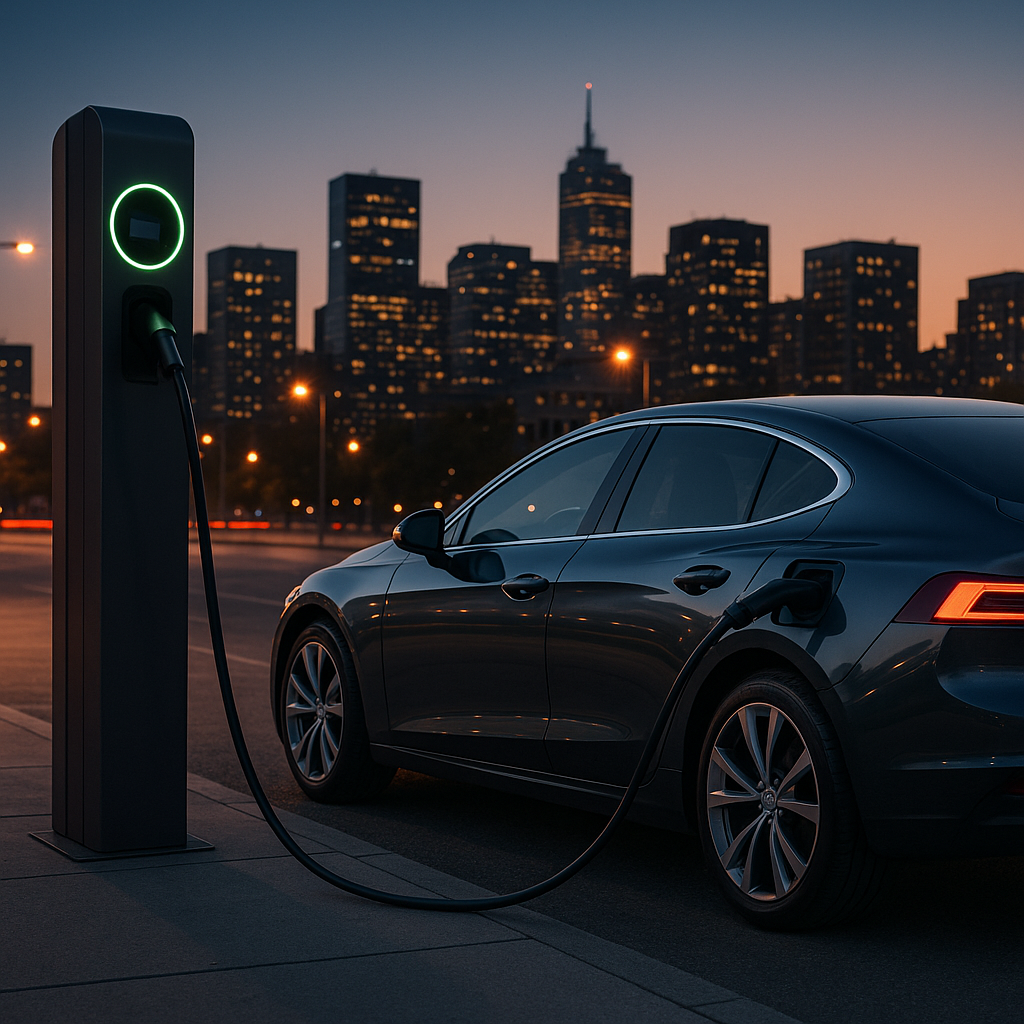
Discover how electric vehicle fleets are revolutionizing on-demand transportation, delivering sustainable luxury rides that redefine convenience for discerning travelers and professionals.
Electric Vehicles Transform the On-Demand Transportation Landscape
The on-demand transportation industry is experiencing a remarkable transformation, driven by the rapid adoption of electric vehicle technology. In the San Francisco Bay Area, forward-thinking transportation services are leading this charge, replacing traditional taxi and cab fleets with sophisticated electric alternatives. This shift represents more than just a change in propulsion—it's a fundamental reimagining of what private driver services can offer discerning professionals and travelers who demand both performance and environmental responsibility.
Electric vehicles are redefining the rideshare experience by delivering whisper-quiet rides, instant acceleration, and zero tailpipe emissions. Unlike conventional Uber or Lyft vehicles, dedicated electric fleets offer consistently premium experiences across every trip. The technology enables transportation providers to offer luxury without compromise, combining the convenience of on-demand availability with the refined comfort that executives, medical professionals, and entertainment industry leaders expect during their commutes to country clubs, sporting events, or business meetings.
This evolution in ride services goes beyond environmental considerations. Electric fleets represent a strategic commitment to innovation and quality that resonates with tech-savvy Bay Area residents and visitors. The seamless integration of advanced vehicle technology with intuitive booking systems creates a transportation experience that feels distinctly modern—one that aligns with the values and expectations of professionals who appreciate both cutting-edge innovation and reliable, professional service.
Environmental Benefits Meet Affordable Luxury in Modern Ride Services
The intersection of sustainability and luxury once seemed paradoxical in the transportation sector, but electric vehicle fleets have elegantly resolved this tension. Today's electric transportation services deliver an experience that feels indulgent while supporting environmental stewardship—a combination that resonates powerfully with professionals in IT, engineering, medical, and entertainment industries who value both performance and responsibility. The quiet cabin, smooth acceleration, and premium interiors of electric vehicles create an atmosphere of refined comfort that traditional cabs simply cannot match.
From a practical standpoint, the economics of electric fleets enable transportation providers to offer competitive pricing without sacrificing quality. Lower fuel costs and reduced maintenance requirements translate into sustainable business models that can maintain affordable rates while investing in vehicle quality and driver training. This creates a virtuous cycle where environmental benefits directly support the delivery of luxury experiences, making premium private driver services accessible to a broader range of professionals and travelers.
The environmental credentials of electric fleets extend beyond zero emissions. These vehicles demonstrate a commitment to forward-thinking values that align with the innovation-focused culture of San Francisco and the Bay Area. For executives traveling to board meetings, medical professionals commuting between facilities, or producers heading to studio sessions, choosing electric transportation services becomes a statement of personal values—one that supports cleaner air quality and reduced carbon footprints without any compromise in comfort, reliability, or professional presentation.
How EV Technology Enhances Rider Experience and Safety Standards
Electric vehicle technology introduces numerous advantages that directly enhance both rider experience and safety protocols. The instant torque delivery characteristic of electric motors provides smooth, predictable acceleration that eliminates the jerky transitions common in traditional vehicles—a subtle but significant comfort factor during longer trips or when traveling to time-sensitive appointments. The absence of engine noise creates a cabin environment conducive to phone calls, relaxation, or focused preparation before important meetings, transforming travel time into productive or restorative moments.
Advanced safety features integral to modern electric vehicles set new standards for passenger protection. Most electric fleet vehicles incorporate sophisticated driver assistance systems, including automatic emergency braking, lane-keeping assistance, and enhanced visibility features that support drivers in navigating Bay Area traffic safely and efficiently. The low center of gravity inherent in electric vehicle design, with heavy battery packs positioned below the passenger compartment, provides exceptional stability and handling characteristics that enhance safety during dynamic driving situations.
The integration of vehicle telematics and real-time monitoring systems in electric fleets enables transportation providers to maintain exceptional service quality and safety oversight. These systems allow continuous monitoring of vehicle performance, driver behavior, and maintenance needs, ensuring that every ride meets rigorous safety standards. For professionals who travel frequently—whether to sporting events, theatre performances, or golf outings at country clubs—this technological foundation provides peace of mind that their private driver service maintains uncompromising safety and reliability standards across every journey.
Overcoming Infrastructure Challenges in Electric Fleet Management
The transition to electric vehicle fleets requires thoughtful infrastructure planning and operational adaptation. Charging infrastructure represents the most visible challenge, demanding strategic placement of charging stations that support efficient fleet operations while minimizing vehicle downtime. Forward-thinking transportation services in the Bay Area are addressing this through partnerships with commercial charging networks and installation of dedicated fast-charging facilities that enable rapid vehicle turnaround between scheduled rides and on-demand pickups.
Range management requires sophisticated operational planning that differs fundamentally from traditional fuel-based logistics. Modern electric vehicles offer ranges exceeding 250 miles on a single charge—more than sufficient for typical urban and suburban transportation needs. However, optimizing fleet utilization requires intelligent dispatching systems that consider vehicle charge levels, proximity to charging infrastructure, and anticipated trip distances. This complexity, while challenging, enables more efficient operations that reduce dead miles and improve overall service responsiveness for both immediate and scheduled transportation requests.
The Bay Area's progressive infrastructure development and supportive regulatory environment create favorable conditions for electric fleet expansion. Growing networks of public charging stations, workplace charging facilities, and residential charging options provide flexible solutions that support diverse operational models. For transportation services committed to electric fleets, these infrastructure investments represent strategic advantages—enabling reliable service delivery for long-distance travel, airport transfers, and multi-stop itineraries without range anxiety or service interruptions that might compromise the premium experience discerning clients expect.
Strategic Advantages of Electric Fleets for Professional Transportation Services
Operating an electric vehicle fleet delivers compelling strategic advantages that extend well beyond environmental benefits. The significantly lower operating costs associated with electric vehicles—including reduced fuel expenses, minimal maintenance requirements, and favorable insurance rates—create financial flexibility that can be reinvested in driver training, vehicle quality, and service enhancements. This economic foundation enables transportation providers to maintain competitive pricing while delivering consistently superior experiences that differentiate premium services from commodity rideshare options.
Brand positioning represents another powerful advantage of electric fleet operations. In a market where Uber, Lyft, and traditional cab services compete primarily on price and availability, a dedicated electric vehicle fleet communicates commitment to innovation, environmental responsibility, and premium quality. This positioning resonates particularly strongly with the Bay Area's professional demographics—executives, engineers, medical professionals, and entertainment industry specialists who appreciate services that reflect their own values and standards. The fleet becomes a tangible expression of brand identity that attracts and retains clientele seeking more than basic point-to-point transportation.
The flexibility of electric fleet operations supports diverse service offerings that address varied customer needs. Whether providing on-demand rides for spontaneous travel needs, scheduled transportation for airport transfers or important appointments, or negotiated rates for long-distance trips and special events, electric vehicles deliver consistent quality across all service categories. The quiet, comfortable environment particularly enhances longer journeys, making electric vehicles ideal for trips to wine country, coastal destinations, or between Bay Area cities. This versatility, combined with flexible payment options including cash and in-app transactions, creates a comprehensive transportation solution that serves as a trusted mobility partner for discerning professionals and travelers throughout the region.